Khazar Research and Analysis Center
The mission of the Khazar Research and Analysis Center (KHAR) is to promote democracy, human rights, and good governance in Azerbaijan, Central Asia, the Caucasus, and Eastern Europe by producing evidence-based research, fostering spaces for discussions, and providing practical recommendations to policymakers, activists, and researchers.
Kazakhstan
1 Comments
4 Research
5 Analysis
Kazakhstan is a presidential republic in Central Asia. Since gaining independence in 1991, the country has developed a governance model dominated by a strong presidency and centralized political power. The capital...
 Latest resource
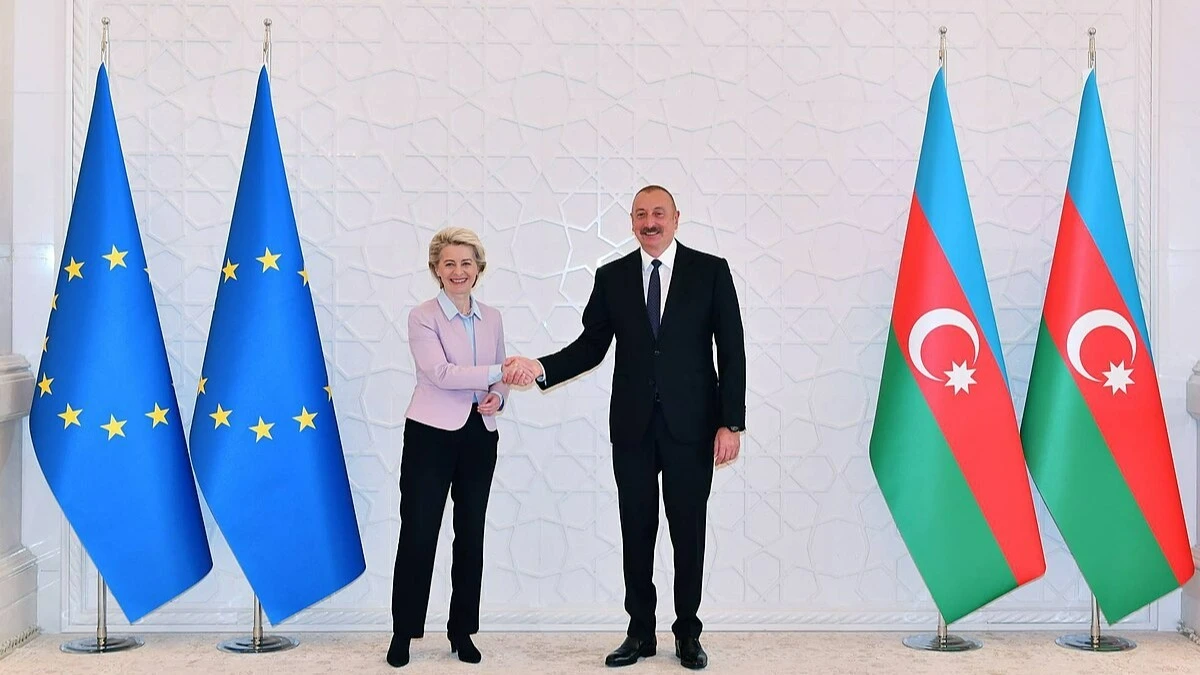
MIRAS: Azerbaijan’s Digital Repression Architecture
Uzbekistan
2 Comments
1 Research
3 Analysis
Uzbekistan is a presidential republic in Central Asia with a highly centralized political system. Since independence, the state has maintained an authoritarian governance model built around strong executive power and...
 Latest resource
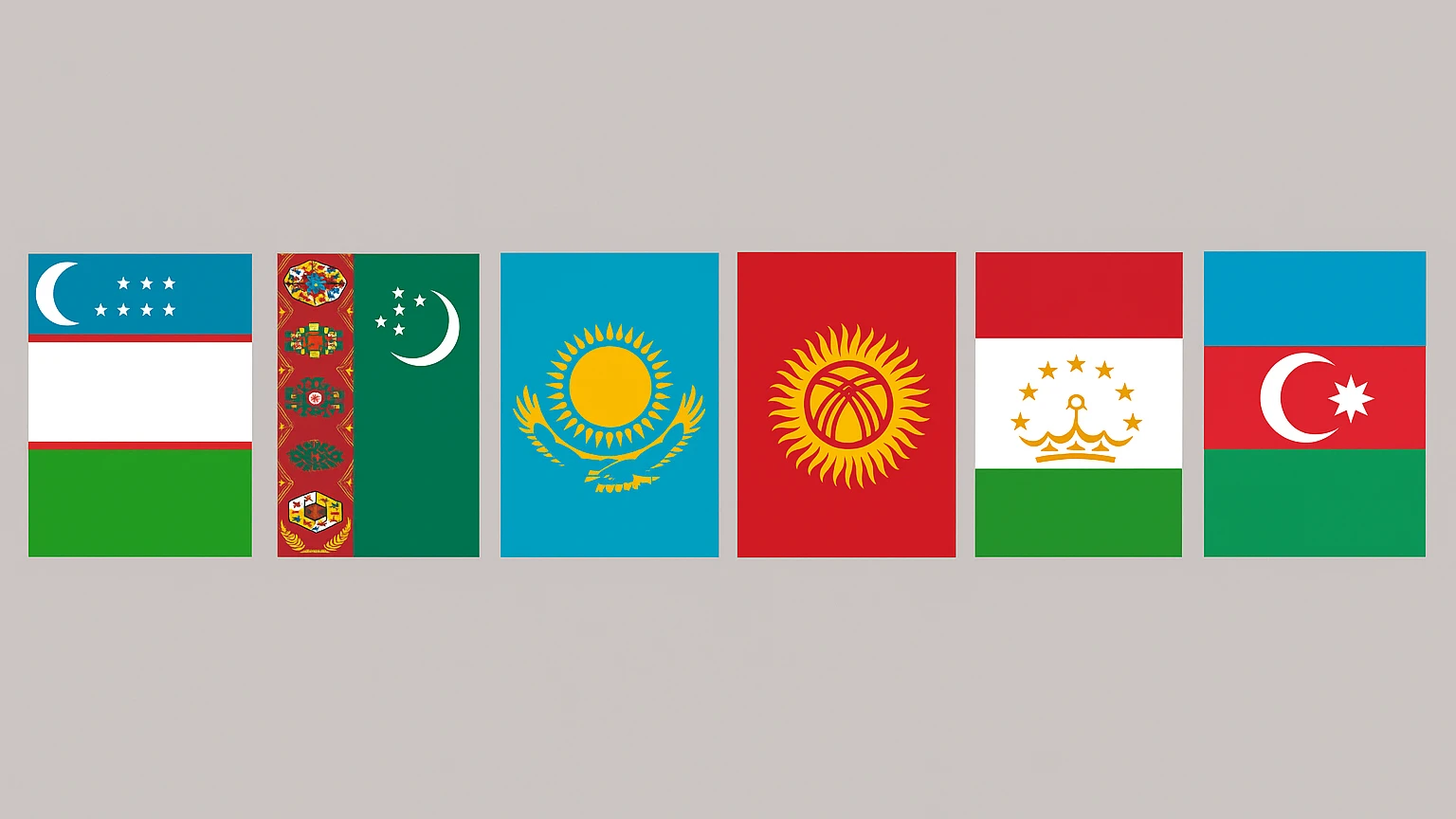
Authoritarian Alliances Across the Caspian
Turkmenistan
2 Comments
2 Research
4 Analysis
Turkmenistan is officially a presidential republic in Central Asia, but in practice it is one of the most closed and rigid authoritarian regimes in the world. Since independence in 1991,...
Latest resource
Authoritarian Alliances Across the Caspian
Tajikistan
1 Comments
2 Research
1 Analysis
Tajikistan is a presidential republic in Central Asia. Following its 1991 independence and the devastating civil war (1992–1997), the country consolidated into a highly centralized authoritarian regime. The capital is...
Latest resource
Authoritarian Alliances Across the Caspian
Kyrgyzstan
1 Comments
1 Research
3 Analysis
Kyrgyzstan was long viewed as the most pluralistic political system in Central Asia. However, following the 2020 political crisis, the country has undergone rapid authoritarian consolidation. The capital is Bishkek;...
Latest resource
Authoritarian Alliances Across the Caspian
Azerbaijan
16 Comments
13 Research
18 Analysis
Azerbaijan is formally a presidential republic but functions as a consolidated authoritarian regime. Political power is concentrated within the ruling family and a tightly controlled elite network. The capital is...
 Latest resource
The Nightmare of the Post-Oil Era
Turkiye
7 Comments
2 Research
13 Analysis
Turkey is a presidential republic, and in recent years the political system has become increasingly centralized, with executive power gaining greater influence. After the 2016 coup attempt, security-oriented governance expanded,...
Latest resource
Authoritarian Alliances Across the Caspian
Georgia
3 Comments
2 Research
5 Analysis
Georgia has long been viewed as one of the more open political systems in the post-Soviet region. However, in recent years the country has shown significant authoritarian drift, challenging its...
 Latest resource
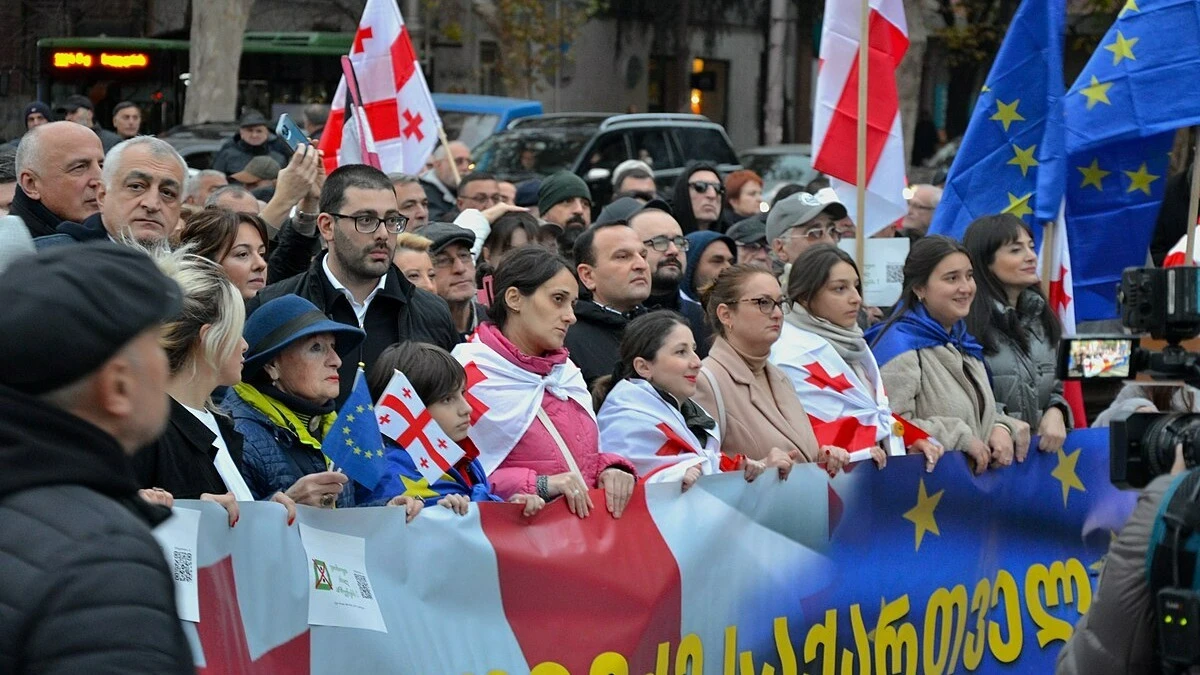
The Crisis of the Opposition and the Gradual Authoritarianization of the Regime in Georgia
Iran
1 Comments
1 Research
5 Analysis
Iran is officially a presidential republic but in practice functions as one of the most consolidated and ideologically driven authoritarian regimes in the region. The political system is built around...
 Latest resource
Is Azerbaijan’s “Multi-Vector” Foreign Policy Course Successful
Armenia
3 Comments
2 Research
10 Analysis
Armenia is a parliamentary republic with more open political system. However, weak institutions, political polarization, and governance challenges create risks of democratic backsliding.Political system and governanceArmenia maintains competitive elections and...
Latest resource
Is Azerbaijan’s “Multi-Vector” Foreign Policy Course Successful
Russia
13 Comments
7 Research
23 Analysis
Russia is formally a federal presidential republic, but in practice functions as a highly centralized, security-driven, consolidated authoritarian regime. Real political competition has been dismantled, and the state is dominated...
 Latest resource
Russia’s Ecosystem in Western Europe: Influence Through Propaganda, Churches, and Diaspora in Germany and France
Ukraine
3 Comments
3 Research
3 Analysis
Ukraine is a semi-presidential parliamentary republic and one of the most politically open countries in the post-Soviet region. It maintains real political competition, active civil society, and a strong commitment...
 Latest resource
Russia’s Anti-Western Propaganda Instruments: The Spider Web
Moldova
Moldova is a parliamentary republic with a formally competitive political system, but one that struggles with institutional fragility and strong geopolitical pressures. The capital is Chișinău, and the official language...
Latest resource
Russia’s Anti-Western Propaganda Instruments: The Spider Web
Romania
1 Comments
2 Research
1 Analysis
Romania is a parliamentary republic located in Southeastern Europe, on the Black Sea coast. The country has been a member of NATO since 2004 and the European Union since 2007....
Latest resource
Russia’s Anti-Western Propaganda Instruments: The Spider Web
Bulgaria
Bulgaria is a parliamentary republic and an EU member state with functioning democratic institutions. However, persistent corruption, institutional weakness, and prolonged political instability continue to challenge governance quality.Political system and...
Latest resource
Russia’s Anti-Western Propaganda Instruments: The Spider Web
Serbia
1 Comments
1 Research
2 Analysis
Serbia is a parliamentary republic located in Southeastern Europe, within the Western Balkans region. The country became an independent state in 2006 following the dissolution of the State Union of...
Latest resource
Russia’s Anti-Western Propaganda Instruments: The Spider Web
Bosnia and Herzegovina
1 Comments
1 Research
2 Analysis
Bosnia and Herzegovina (BiH) is a parliamentary republic located in Southeastern Europe, in the Western Balkans region. The country declared independence in 1992 and established its post-war constitutional framework under...
Latest resource
Russia’s Anti-Western Propaganda Instruments: The Spider Web
Albania
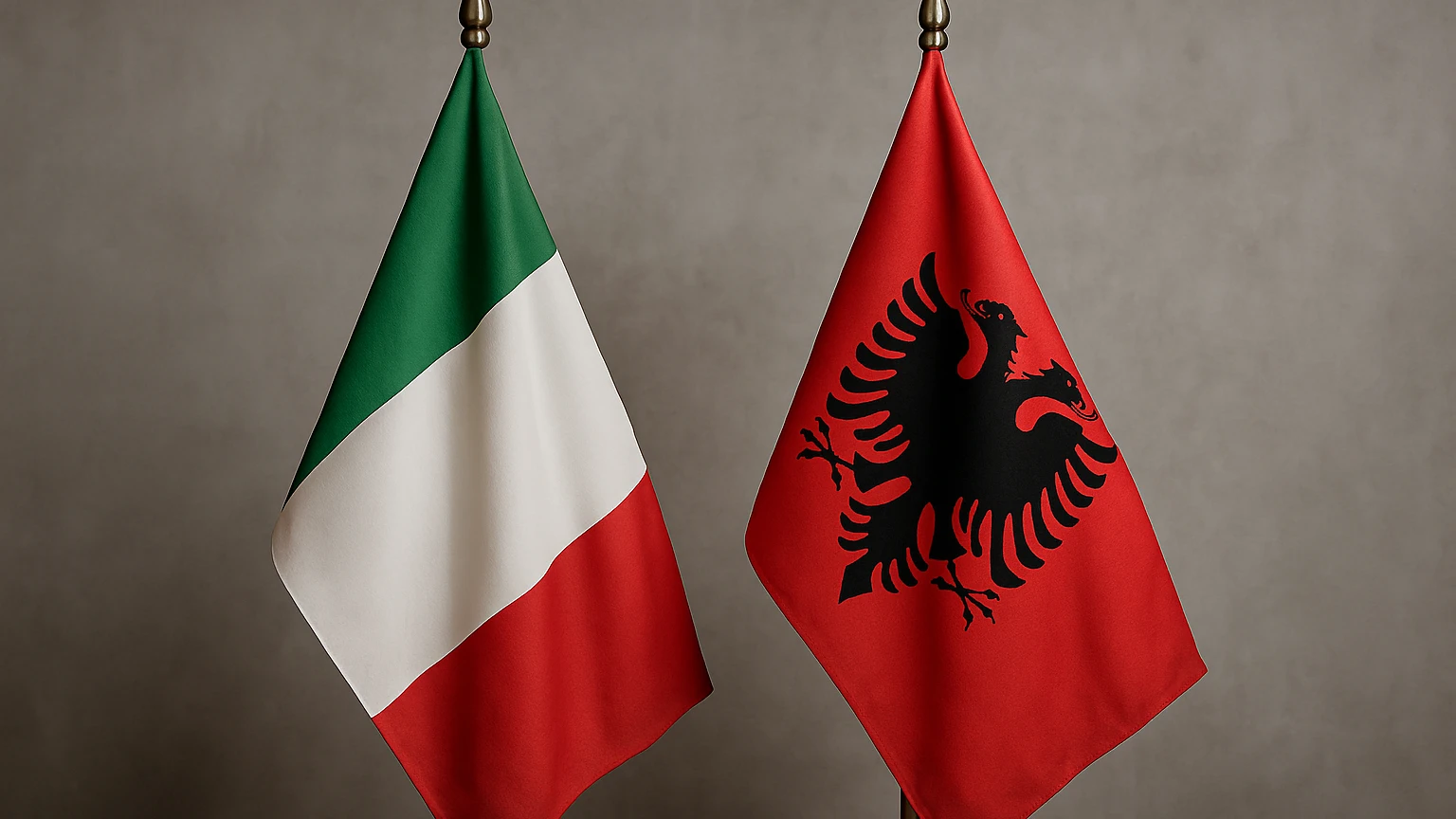
Albania is a parliamentary republic located in Southeastern Europe, along the Adriatic coast. Since its transition from a socialist regime in 1991, the country has prioritized democratic consolidation, institutional reforms,...
 Latest resource
Power, Borders, and the State of Exception: A Case Study of the Italy–Albania Migration Protocol
Belarus
Belarus is officially a presidential republic but functions as a fully consolidated authoritarian regime with absolute executive dominance and systematic repression. The capital is Minsk; official languages are Belarusian and...
 Latest resource
The Post-Soviet Nomenklatura as an Institutional Resource of Authoritarianism
Hungary
1 Comments
2 Research
8 Analysis
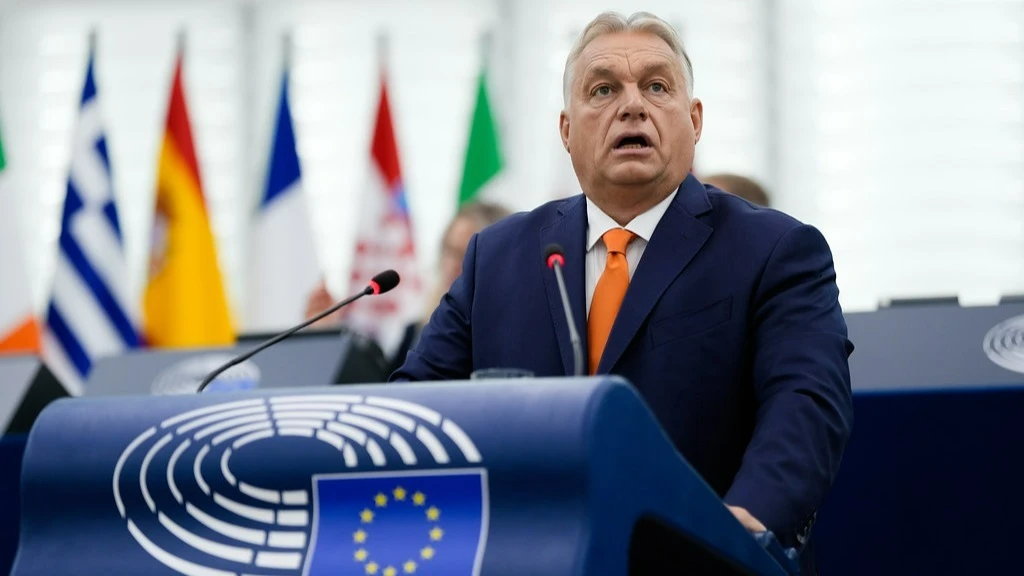
Hungary is a Central European country and a member of both the European Union and NATO. The country has a rich cultural heritage, a diversified industrial base, and an important...
 Latest resource
The Orbán Phenomenon: The Rise of an Authoritarian Leader in Europe
Poland
2 Comments
4 Research
4 Analysis
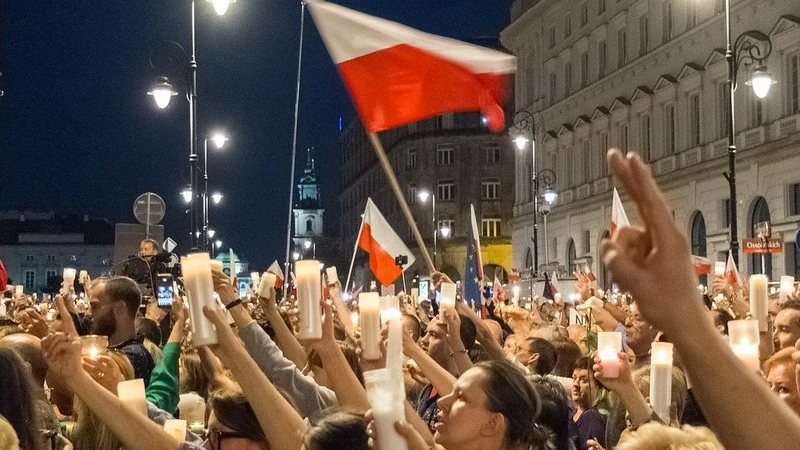
Poland is a country in Central/Eastern Europe that has transformed from a communist regime to a democratic republic since 1989. After regaining independence in 1918, enduring World War II and...
Latest resource
Russia’s Anti-Western Propaganda Instruments: The Spider Web
Kosovo*
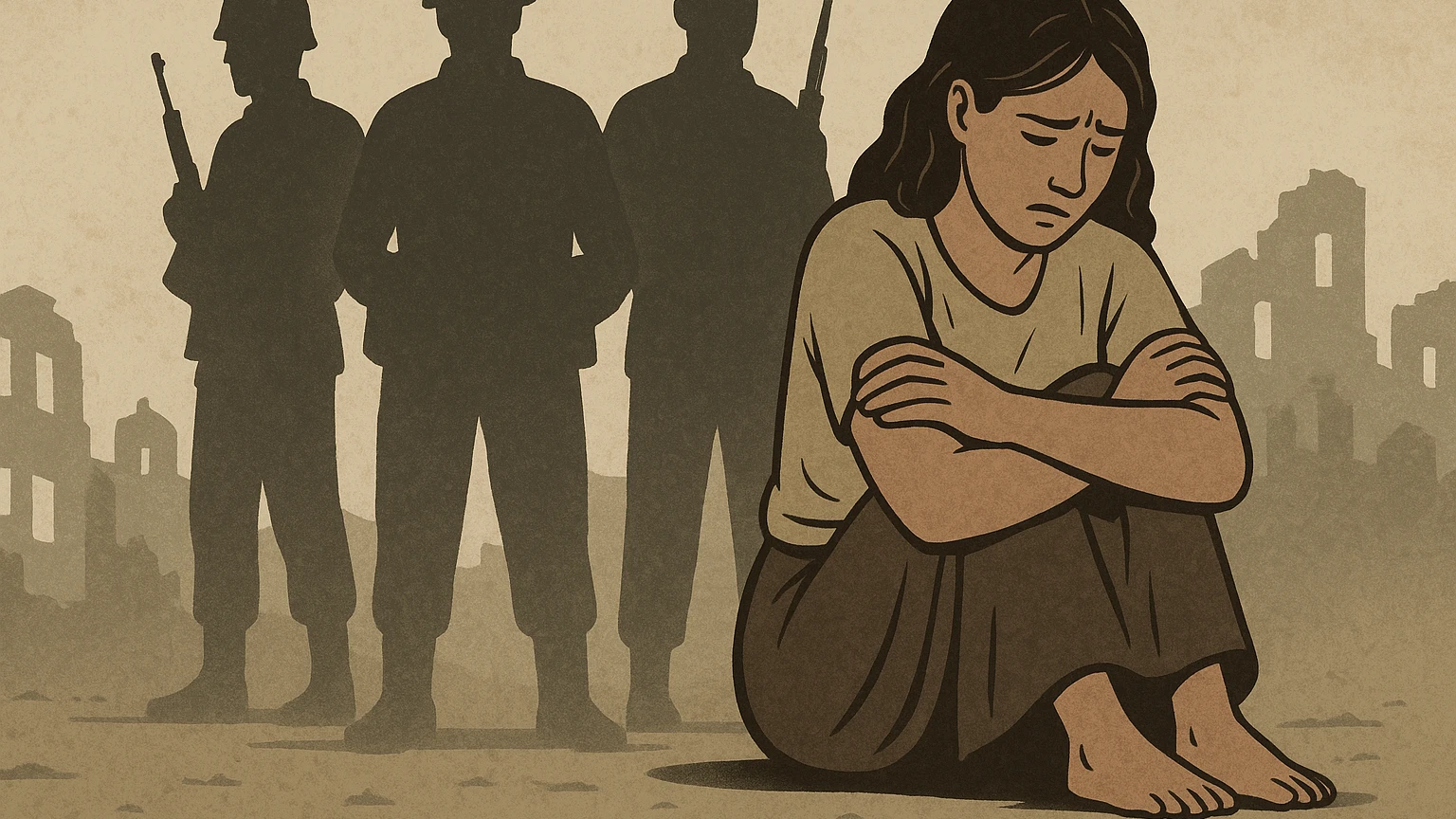
Kosovo* is a partially recognized republic located in the Western Balkans. Having declared independence in 2008, the country continues to strengthen its state institutions, democratic governance, and socio-economic development while...
 Latest resource
THE STRUGGLE FOR WARTIME SEXUAL VIOLENCE REPARATIONS IN KOSOVO*
Slovakia
Slovakia is a parliamentary democracy in Central Europe, established as an independent state on January 1, 1993 following the peaceful dissolution of Czechoslovakia. Its capital is Bratislava, and the national language...
 Latest resource