SILENCE FEEDS AUTHORITARIANISM
Georgia
Georgia has long been viewed as one of the more open political systems in the post-Soviet region.
However, in recent years the country has shown significant authoritarian drift, challenging its democratic credentials.
Officially a parliamentary republic, real political power increasingly gravitates toward informal elite networks.
Political system and governance
Key authoritarian tendencies include:
- Informal concentration of power in the hands of a dominant political-economic figure
- Growing control over the judiciary
- Weakening of electoral competitiveness through state leverage and media influence
- Instrumental use of state institutions against critics and opposition actors
Controversial initiatives like the “foreign influence agents” bill have intensified concerns over democratic backsliding.
Human rights and civil society
Georgia’s civil society remains vibrant, but faces mounting pressure:
- Attempts to stigmatize NGOs and restrict external funding
- Selective prosecutions and targeting of activists and journalists
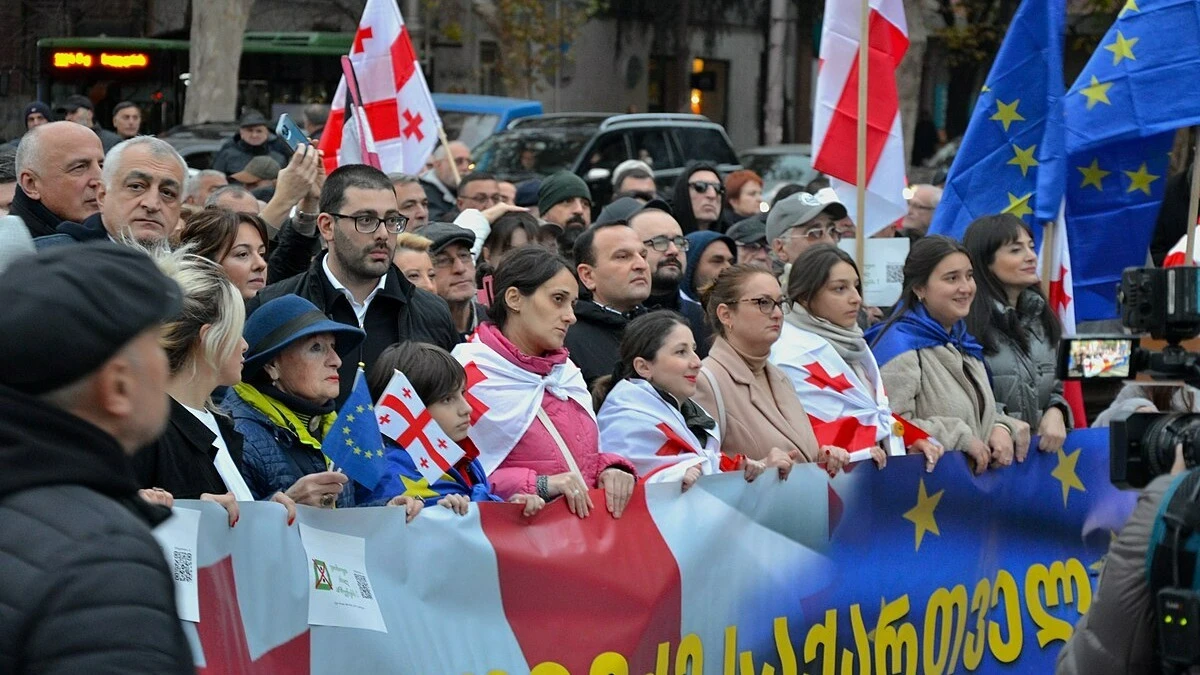
- Increased police force against protests
- Expansion of government-friendly media and shrinking space for independent voices
The country is not fully authoritarian, but repression patterns are expanding and the civic space is narrowing.
Economy and key indicators
Despite having an open market economy, governance is increasingly shaped by political interests.
Major concerns include:
- Informal elite control over strategic sectors
- Reduced transparency in public decision-making
- Growing patronage networks tied to political loyalty
Low corruption perception coexists with high-level political influence over economic processes.
Regional relations and foreign policy
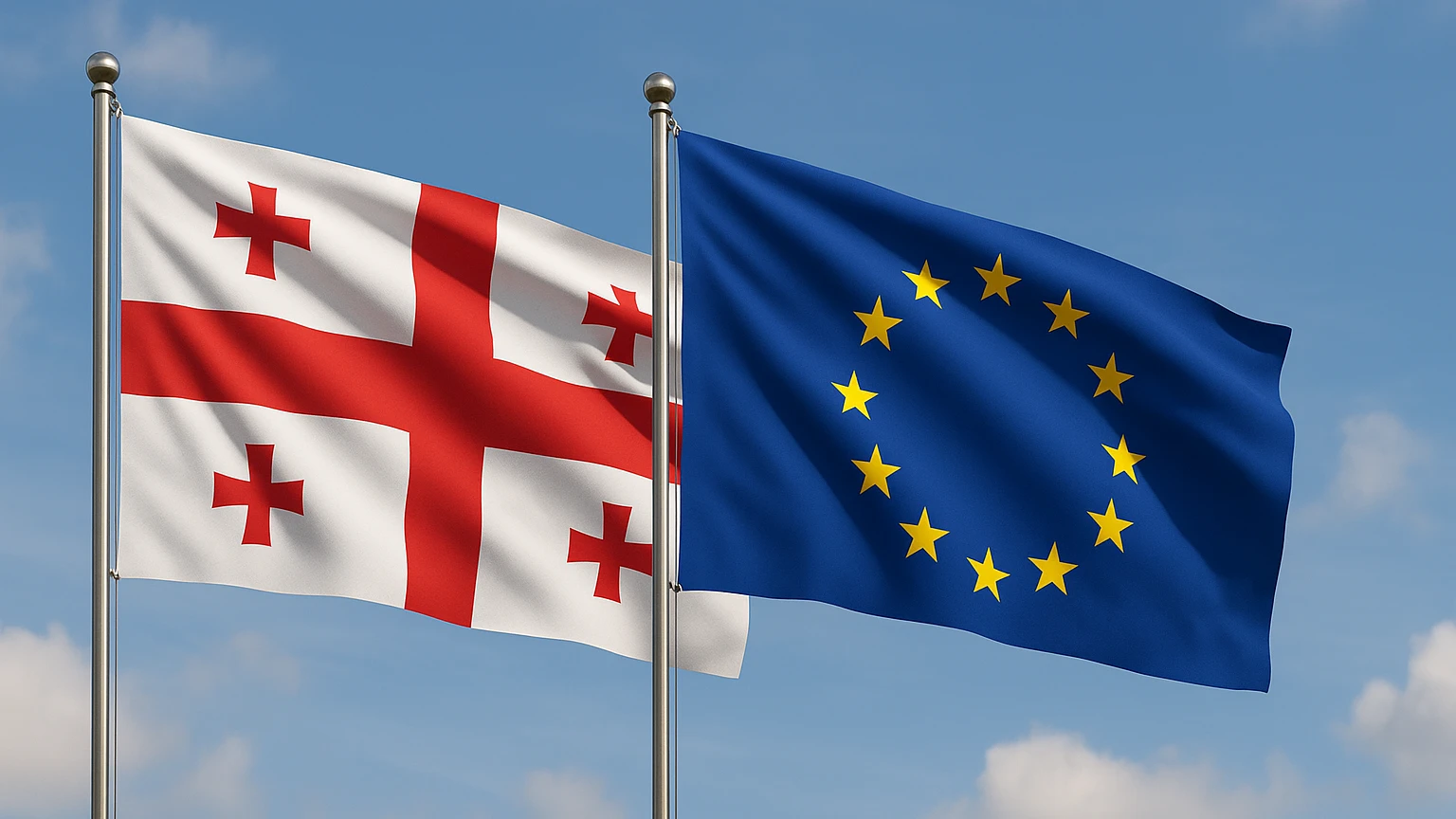
Georgia’s European integration remains a formal priority, but recent government actions have slowed momentum.
Key problems:
- Ambiguous foreign policy moves creating distance with the EU and NATO
- Attempts to soften or recalibrate relations with Russia
- Use of foreign policy issues for domestic political consolidation
This dual approach has raised questions about Georgia’s long-term geopolitical direction.
Challenges and prospects
- Restricting oligarchic influence and restoring institutional autonomy
- Reversing judicial politicization
- Protecting media independence and NGO freedoms
- Ensuring genuinely competitive elections
- Stabilizing commitment to European integration