SILENCE FEEDS AUTHORITARIANISM
Tajikistan
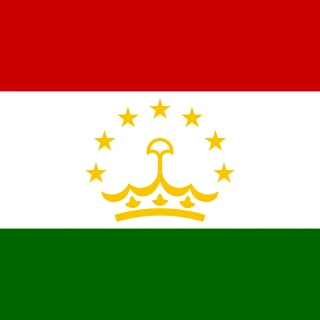
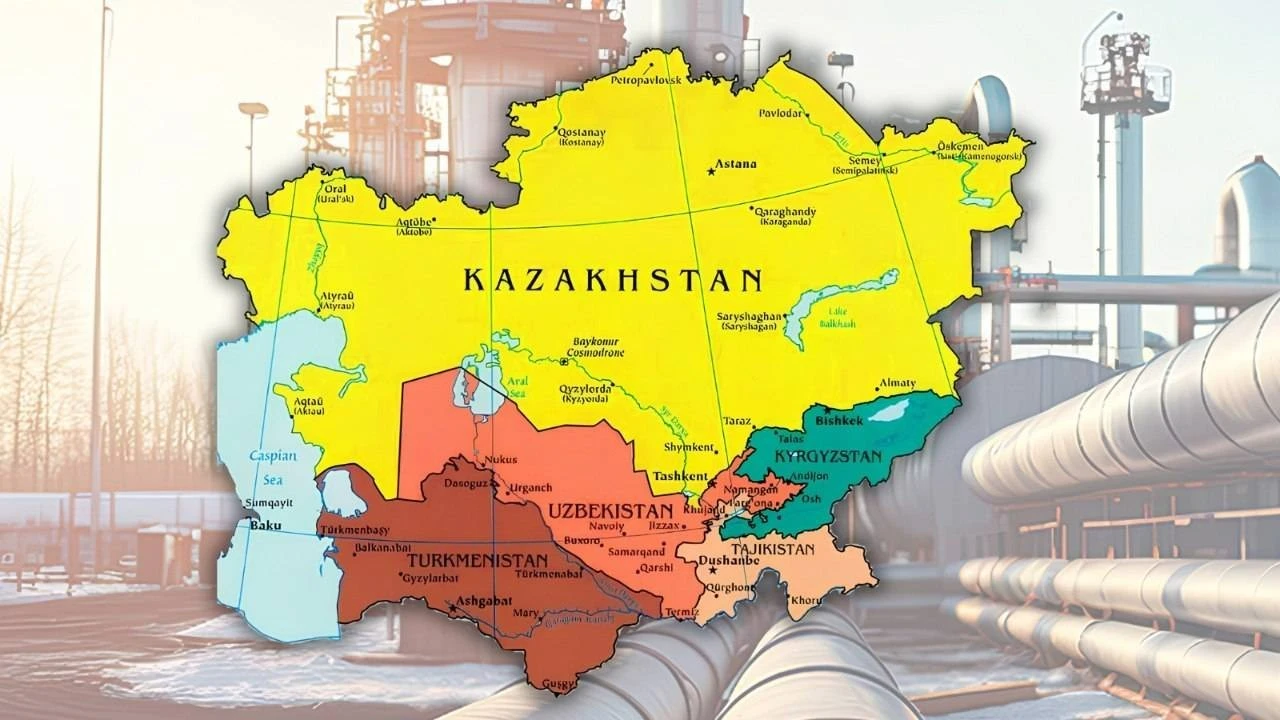
Tajikistan is a presidential republic in Central Asia. Following its 1991 independence and the devastating civil war (1992–1997), the country consolidated into a highly centralized authoritarian regime.
The capital is Dushanbe; the official language is Tajik.
Political system and governance
Tajikistan’s political system is dominated by President Emomali Rahmon, whose rule is maintained through extensive patronage networks and family-centered power consolidation.
Although a multiparty system exists on paper, genuine political competition has been eliminated.
The banning of the Islamic Renaissance Party and widespread repression of opposition figures highlight the absence of political pluralism.
Elections are non-competitive and consistently criticized by international observers.
Human rights and civil society
Civil society faces severe restrictions. NGOs operate under heavy regulation, and independent activism is often met with intimidation or arrest.
Freedom of expression is tightly controlled; journalists and critics face harassment, imprisonment, or forced exile.
Religious practices are monitored and regulated, reflecting deep state control over societal life.
Reports of political prisoners, torture, and arbitrary detentions remain widespread.
Economy and key indicators
Tajikistan has one of the least diversified economies in the region.
Remittances from migrant workers—primarily in Russia—constitute a large share of GDP, creating structural vulnerability.
State dominance, corruption, and opaque governance hinder economic development.
Strategic resources and sectors are controlled by elites linked to the ruling family.
Regional relations and foreign policy
Tajikistan’s foreign policy is driven largely by security concerns, especially due to instability on the Afghan border.
The country relies heavily on Russia and China for military assistance, investment, and political backing.
Membership in the CSTO further strengthens dependence on Moscow.
Cooperation with Western actors remains limited.
Challenges and prospects
- Consolidation of power within a ruling family and weak institutions
- Systematic repression of political opposition and civil liberties
- High economic dependence on remittances and external actors
- Endemic corruption and weak governance
- Strategic vulnerability due to reliance on Russia and China