

By Amrah Jafarov
He is a political scientist and
researcher based in Germany. He holds
a Bachelor’s degree in International
Relations from the Academy of Public
Administration under the President of the Republic
of Azerbaijan, a Master’s degree in Political
Science from Ankara Social Sciences University
in Turkiye, and has completed a graduate program
in Mediation and Conflict Resolution at the University
of San Diego in the United States.
Note: The original version of this article is written in English.
Demographic statistics indicate that over the past 15 years, the total fertility rate in Azerbaijan has steadily declined to below the replacement level. The median age of the population has increased, and migration dynamics have not been sufficient to offset this trend. While government social and economic policies have been a major factor shaping these demographic developments, population aging also emerges as a structural constraint on potential social and political change in the country.
Keywords: Demographics of Azerbaijan, aging population, authoritarianism, democracy, political demography, migration
Introduction
Political demography emerges at the intersection of political science and demography, offering analytical tools to better understand the political and economic conditions of the world and individual countries, as well as the dynamics of democratic change globally. The three principal drivers of demographic change—mortality, fertility, and migration—have played a significant role over the past century, carrying profound political implications at both the domestic and international levels (Teitelbaum 2015). Recent shifts and projections in Azerbaijan’s demographic indicators are likewise instrumental in interpreting the country’s current and future economic and political trajectory. This research, therefore, examines these demographic trends comparatively, situating them within their broader political and economic contexts.
Statistics from the State Statistical Committee of the Republic of Azerbaijan (2025) indicate that the total fertility rate has steadily declined from 2.4 in 2011 to 1.4 in 2024, falling well below the replacement level of 2.1 (United Nations 2025) and signaling accelerated population aging in the near future. The median age has likewise increased from 28 in 2010 to 33 in 2025 and is projected to reach 39 by 2050 (Statista 2025). Migration dynamics have not been sufficient to offset this demographic trend; moreover, the number of individuals leaving Azerbaijan for permanent residence abroad has more than doubled over the past three years (BBC 2025). Despite these pronounced shifts, the Azerbaijani government has not introduced any comprehensive or substantial policy measures to address them.
This research examines the current demographic dynamics in Azerbaijan, particularly over the past 15 years, as well as the governmental, political, and economic policies underlying these trends, future projections, and their implications for the country’s (un)democratic trajectory and political stability. To address the research questions outlined above, the study relies on quantitative official data and situates it within regional and global comparative frameworks. It analyzes vital statistics, fertility rates, and migration figures published by the State Statistical Committee of the Republic of Azerbaijan and other governmental bodies, compares them with corresponding data from relevant countries, and engages with the scholarly literature that examines the relationship between demographic patterns and governance outcomes.
The relationship between demographic trends, governance patterns, and the potential for democratic change has been extensively analyzed in the literature. A larger proportion of young people in the population increases the likelihood of protests, political instability, and regime change (Goldstone 2012), whereas an older population is commonly associated with greater stability and lower revolutionary potential (Haas 2025).
This article finds that the economic and social policies pursued by the Azerbaijani government have contributed to increased emigration, a sharp decline in fertility rates, and accelerated population aging. These trends are expected to constitute obstacles to potential social and political change in the country, while also potentially generating economic and governance crises.
The primary limitation of this research is the lack of transparent data disclosure by the Azerbaijani government, particularly regarding migration statistics. To mitigate this constraint, we compared data from different governmental agencies and examined migration data on Azerbaijani nationals reported by foreign countries.
The demographic history of Azerbaijan
In order to understand the current demographic dynamics in Azerbaijan, it is essential to look back and analyze the recorded demographic history of the country. For many decades, Azerbaijan was regarded as a country with relatively high natural population growth. Vital demographic statistics recorded over the past century indicate a steady increase in the population, except for the years during the Second World War. In response to the sharp decline in birth rates during the war and to encourage the adoption of orphans, the Supreme Soviet introduced pronatalist measures, including state honors for women who raised large families. A decree established official decorations for mothers with five or more children; for example, the “Mother-Hero” medal was awarded to women who gave birth to and raised ten or more children (Elizarov 2019).
As a result of sustained natural growth, Azerbaijan’s population reached 5 million in 1969, 6 million in 1979, 7 million in 1989, 8 million in 2000, 9 million in 2011, and 10 million in 2021 (SSCRA 2025). In comparative perspective, total fertility rates in the South Caucasus between 2000 and 2010 remained below 1.5 in Armenia (SCRA 2025), around 1.6 in Georgia (NSOG 2025), and between 1.8 and 2.3 in Azerbaijan (SSCRA 2025), placing Azerbaijan close to the replacement level. These historically higher levels of natural growth and fertility contributed to a relatively young population structure, with the median age remaining below 25 until the 2000s (Statista 2025).
Before independence, migration from Azerbaijan primarily occurred within other parts of the Soviet Union, and this pattern persisted during the early years of independence. At the same time, new migration flows toward Türkiye, Europe, the Americas, and other regions of the world began to emerge in the immediate post-independence period. However, the lack of reliable and transparent data constitutes a significant limitation in analyzing Azerbaijan’s migration history.
Total fertility rates of Azerbaijan since 2011
The total fertility rate (TFR) is one of the key indicators of a country’s demographic profile and is calculated as the average number of children born per woman. When the TFR falls below the replacement level, negative natural population growth in the long term becomes highly likely. Declining fertility rates are a primary driver of population aging. Lower fertility results in smaller youth cohorts, thereby creating an imbalance in the age structure, with older age groups gradually outnumbering younger ones (Bloom, Canning, and Lubet 2015). Many European countries, as well as China, neighboring Russia, and Georgia, are currently experiencing population aging and negative natural growth largely due to persistently low fertility rates recorded in previous decades.
Since 2011, the total fertility rate in Azerbaijan has declined sharply from 2.5 to 1.4 in 2024. As illustrated in the chart below, the rate has remained below the United Nations replacement level of 2.1 (UN 2025) since 2015 (Chart 1).
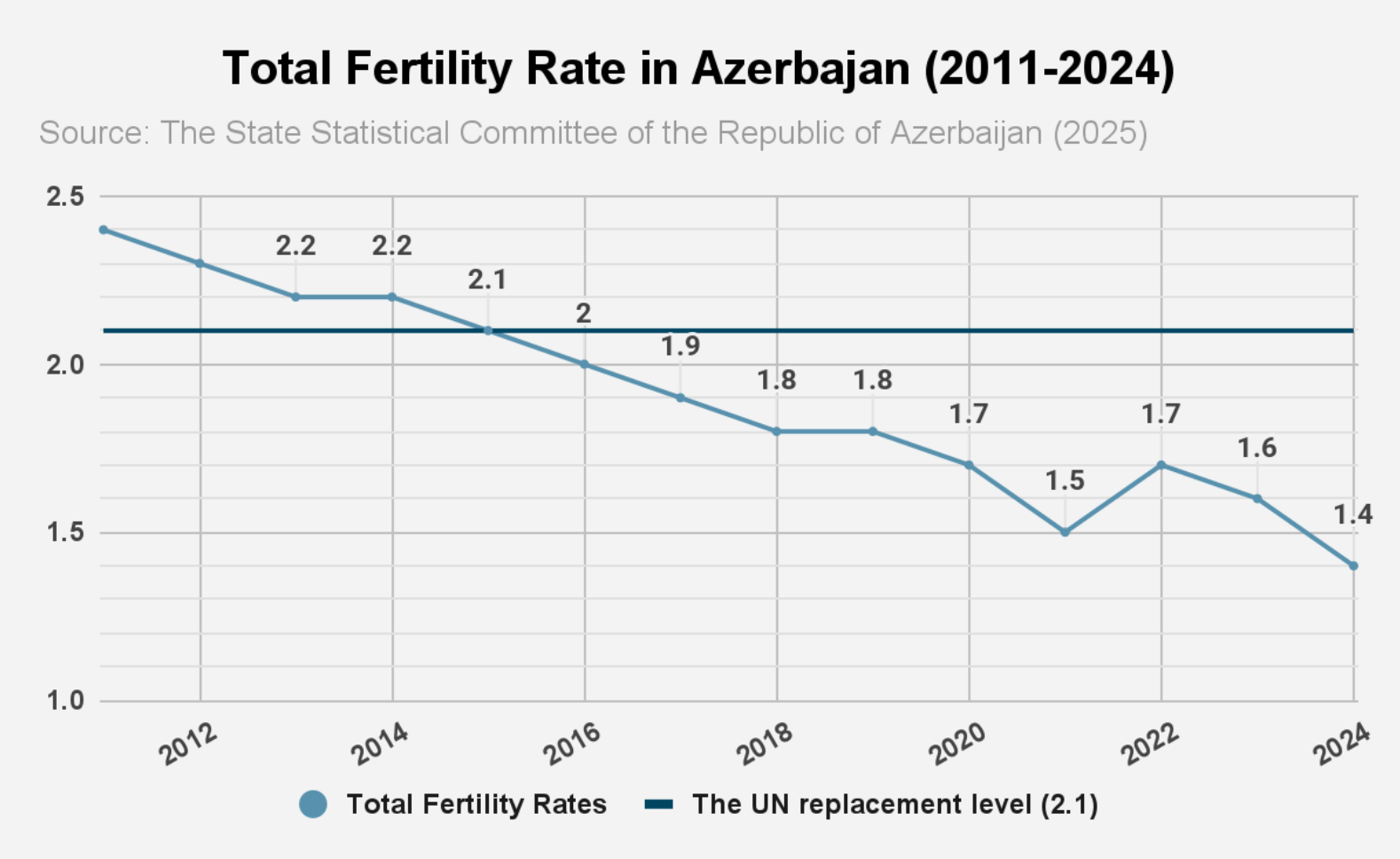
Chart 1. Total Fertility Rate in Azerbaijan (2011-2024)
Although declining fertility rates represent a global trend, the pace of decline in Azerbaijan has been significantly faster than the global average. In 2011, the total fertility rates of Azerbaijan and the world were relatively similar—2.4 and 2.59, respectively (Statista 2025). However, by 2024, the global rate had fallen modestly to 2.25, while Azerbaijan’s rate had dropped sharply to 1.4, illustrating the accelerated nature of fertility decline in the country. In recent years, Azerbaijan’s total fertility rate has converged with that of the European Union, which has long been characterized by some of the lowest fertility and birth rates globally. In 2024, Azerbaijan’s TFR stood at 1.4, equivalent to the EU average (Statista 2025). Furthermore, a comparative examination of countries with similar historical, cultural, and regional backgrounds suggests that the rapid decline in Azerbaijan cannot be explained solely as an “adaptation” to broader global fertility trends.
In contrast, Central Asian countries with historical and structural similarities to Azerbaijan - such as Kazakhstan, Uzbekistan, and Kyrgyzstan - have demonstrated an increasing trend in total fertility rates in recent decades (World Bank 2023).
The rate is also currently lower than that of the other two neighboring South Caucasus countries. Although Azerbaijan’s total fertility rate remained higher than those of Armenia and Georgia in the years following independence, it has recently fallen below both (Chart 2).
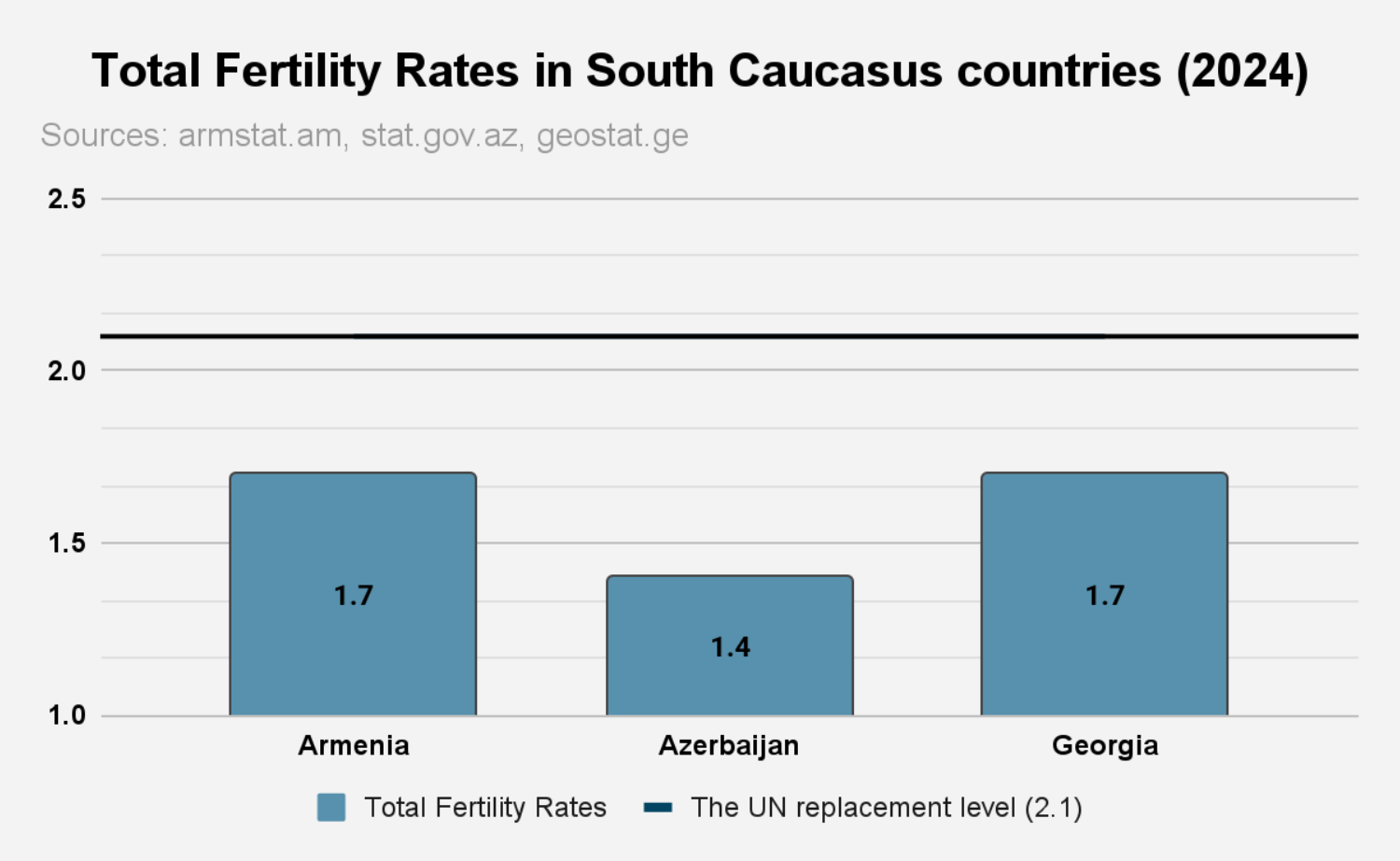
Chart 2. Total Fertility Rates in the South Caucasus (2024)
This comparison suggests that the decline in Azerbaijan’s fertility rate cannot be attributed solely to a “natural” global trend, but is also shaped by domestic structural factors, particularly socio-economic conditions. The devaluation of the national currency in 2015 appears to have had a significant impact on family planning decisions. Concerns about prospects and economic uncertainty have likely contributed to preferences for smaller family sizes. Moreover, the perceived low quality of healthcare and education, combined with the rising cost of essential goods and services, further discourages households from having additional children.
Additionally, declining total fertility rates in patriarchal societies such as Azerbaijan may contribute to higher rates of sex-selective abortions. In recent years, Azerbaijan has ranked among the countries with the highest levels of sex-selective abortions globally (Azernews 2023). A 2014 report by the United Nations Population Fund (UNFPA), prepared in collaboration with various institutions, noted that in Azerbaijan “economic conditions and social norms not only encourage women to have fewer children, but also dictate that each family has at least one boy” (BBC 2023). The combination of elevated sex-selective abortion rates and declining fertility may generate additional demographic imbalances in the country’s near future, particularly concerning gender ratios and long-term social stability.
These total fertility figures imply that, in the absence of significantly higher immigration, negative natural growth will likely lead to population decline in Azerbaijan within the coming years, making rapid population aging inevitable.
Median age and the proportion of the youth in Azerbaijan since 2011
The proportion of young people and elderly pensioners in the country, their evolution over time, and future projections are important not only for understanding the state of the economy but also for assessing social dynamics and the potential for political change. Since 2011, the share of young people in Azerbaijan (aged 15–29) has declined from 29% to 20%, while the proportion of those aged 65 and older has increased from 5% to 9% (Chart 3).
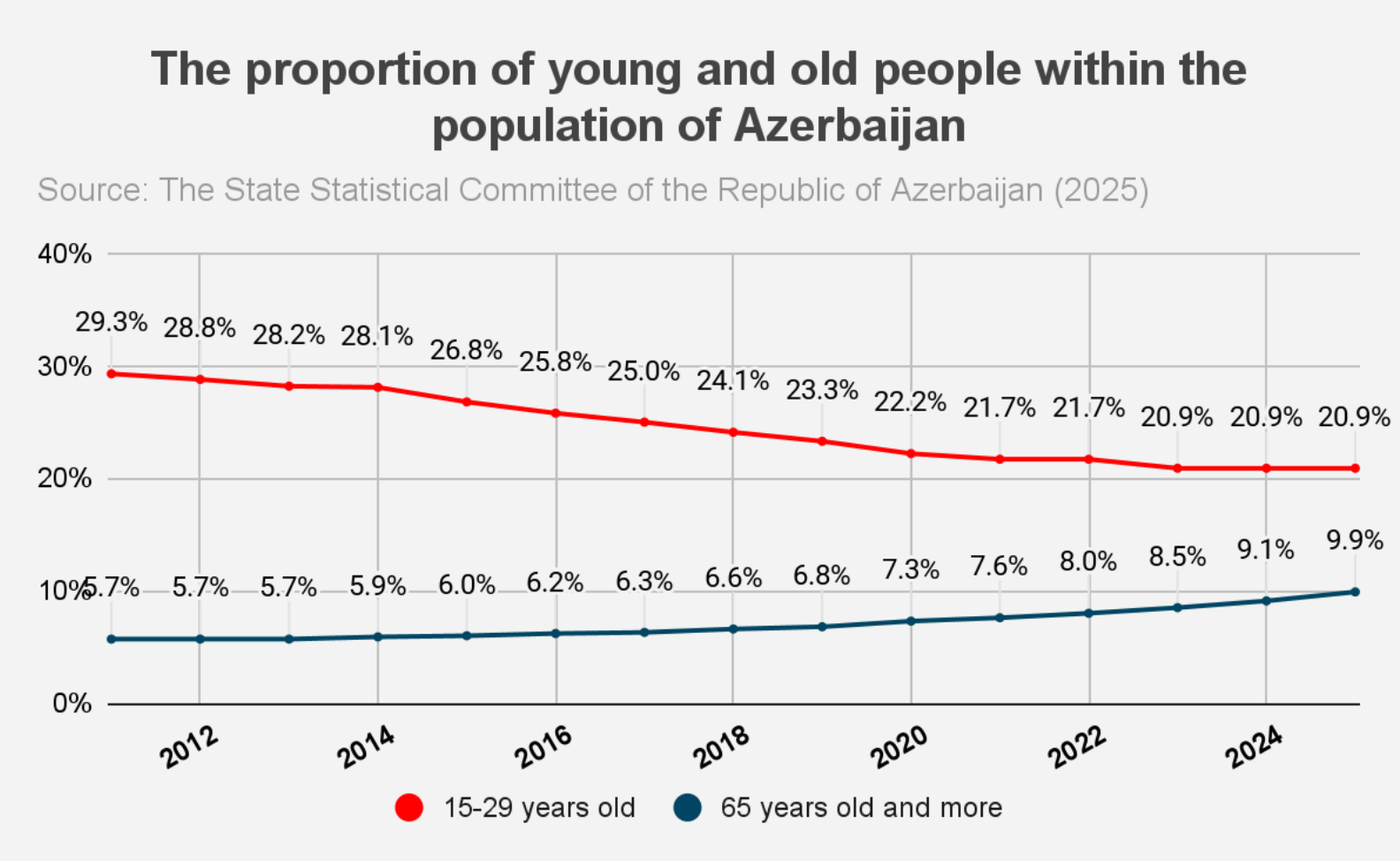
Chart 3. The proportion of young and old people within the population of Azerbaijan.
Current trends in natural population growth, total fertility rates, and migration indicate that this demographic shift is likely to continue at a rapid pace in the coming decades. Another key indicator for understanding the age structure of a society is the median age, defined as the age that divides the population into two numerically equal groups—half younger and half older (World Health Organization 2024). In Azerbaijan, the median age has risen from 28.2 in 2010 to 33.6 in 2025 and is projected to reach 39 by 2050 (Statista 2025).
The median age and age-group statistics presented above formally include young citizens residing abroad; therefore, the actual demographic situation within the country is likely to be more pronounced. The fact that a substantial share of young people live outside Azerbaijan for political and economic reasons directly affects the domestic age composition. Youth emigration produces multiple demographic consequences. A reduction in the number of individuals of reproductive age contributes to a further decline in birth rates, while simultaneously increasing the relative proportion of older cohorts within the total resident population.
Rapid population aging is often perceived as a phenomenon specific to developed countries. However, recent research suggests that this assumption is misleading; in many cases, population aging may occur more rapidly in developing countries due to structural and demographic factors. Preston and Stokes (2012) demonstrate that the pace of population aging is closely linked to a country’s level of development, with less developed countries frequently experiencing faster aging processes than more developed ones, primarily because fertility rates have declined more abruptly in the former.
Migration trends in Azerbaijan during the last decade
Official migration data for Azerbaijan indicate a slightly positive net migration balance over the past decade, with approximately one thousand more immigrants than emigrants per year (SSCRA 2025). At the same time, even official statistics report that the number of individuals leaving Azerbaijan for permanent residence abroad has more than doubled over the past three years (BBC 2025). However, the reliability of official migration data remains questionable due to several methodological and structural limitations.
For example, the number of registered voters reported by the Central Election Commission is several million lower than the number of citizens aged 18 and above reported by the State Statistical Committee of the Republic of Azerbaijan; this disparity is frequently explained by officials as a consequence of migration (Azadlıq Radiosu 2025).
Additionally, the phenomenon of “brain drain” appears to be significant among emigrants. Several indicators suggest that highly skilled and well-educated professionals are leaving Azerbaijan. For example, the number of Azerbaijani doctors practicing in Germany has tripled since 2017 (Bundesärztekammer 2024), while many regions within Azerbaijan continue to face shortages of medical personnel (Modern.az 2024).
Official statistics published by destination countries also indicate substantial emigration of Azerbaijani citizens over the past decade, trends that are not fully reflected in Azerbaijan’s official migration data. Since the currency devaluation, the number of Azerbaijani citizens residing in Türkiye with official residence permits has more than doubled (Azadlıq Radiosu 2022).
However, the official migration statistics of Azerbaijan don’t reflect reality, as it keeps showing the “stable” and very few numbers of immigrants and emigrants over the last decade. All this shows that Azerbaijan's official migration statistics fail to reflect the true picture of emigration from the country.
Government (in)actions to address the demographic trends
In many countries where birth rates are declining, governments have introduced various policy measures aimed at increasing fertility and mitigating emigration, making demographic sustainability an increasingly salient issue worldwide. Despite clear signs of population aging and demographic trends that may pose significant long-term challenges, the Azerbaijani government has not adopted any substantial or clearly articulated policy initiatives to address these developments.
The monthly child allowance in Azerbaijan was abolished by the government in 2006 and, despite extensive public debate, has not been reinstated (BBC 2023). In many countries, child benefits are provided universally or for families with multiple children. While families with three or four children are often classified as “large families” in various contexts, in Azerbaijan this status is granted only to families with five or more children. Such families receive a monthly benefit of 105 manat per child, a sum widely regarded as insufficient. Although the inclusion of families with three or four children in the “large family” category has been publicly discussed for years, no policy change has been implemented (Azadlıq Radiosu 2024).
The high cost of baby food and essential goods remains another contentious issue. Proposals to exempt these products from value-added tax or to introduce preferential tax policies have likewise not been adopted, despite sustained public debate (Azadlıq Radiosu 2023).
Some Eastern European countries facing population aging and high emigration rates have adopted immigration policies as a strategy to mitigate demographic decline. To date, however, the Azerbaijani government has not implemented any comprehensive policy measures in this regard. Moreover, due to its economic and political conditions, Azerbaijan is not currently considered an attractive destination for foreign migrants.
Aging population and authoritarianism: Improbability for political changes
Taken together, these factors suggest that the Azerbaijani government has not implemented comprehensive or proactive policies to address the aforementioned demographic challenges. One possible interpretation is that demographic trends may not be perceived as politically urgent within the current governance framework. Existing scholarship indicates that a larger youth cohort in authoritarian contexts can increase the likelihood of protests, instability, and regime change (Goldstone 2012). In this light, the limited policy engagement with declining fertility or the potential repatriation of young emigrants may reflect broader political calculations.
Historically, youth bulges have often been associated with heightened demands for political participation and reform. Younger generations, particularly in authoritarian settings, tend to demonstrate greater sensitivity to prospects, economic uncertainty, and political exclusion. In 2025, for example, countries with relatively large youth populations—including Togo, Kenya, Nepal, Madagascar, and Morocco—experienced mass protests largely driven by Generation Z, frequently described as expressing “generation anxiety.” In many cases across the Global South, mobilization against corruption and autocratic governance has been rooted in concerns about future opportunities (The Guardian 2025).
By contrast, older populations in authoritarian regimes are often associated in the literature with relative political stability and lower revolutionary potential (Haas 2025). From a political demography perspective, therefore, demographic aging may have implications not only for economic sustainability but also for regime resilience.
However, the rapid pace of population aging may generate a different set of long-term challenges for both the Azerbaijani government and society as a whole. Although aging is a global phenomenon, its consequences are unevenly distributed. Over the coming decades, many developing countries are likely to face a “double burden”: managing accelerated demographic aging while still lacking fully developed welfare and social protection systems. Higo and Khan (2014) identify several key domains of unequal risk distribution in later life, including financial security in retirement, the availability of familial support for elderly care, and the capacity of the formal care workforce.
In Azerbaijan, the rapid increase in the proportion of pensioners may intensify fiscal pressures on the state budget and strain social protection and healthcare systems. Over time, these structural pressures could contribute to economic instability and governance challenges. At the same time, sustained or accelerating emigration—particularly among younger cohorts—may further complicate demographic sustainability.
Comparative cases suggest that some authoritarian regimes respond to large-scale emigration not through socio-economic reforms, but through restrictive mobility controls. For example, Turkmenistan has implemented measures aimed at curbing emigration, including arbitrary travel bans, removal of passengers from flights, passport confiscation, and restrictions on passport renewal through foreign consulates (Jamestown 2025). While Azerbaijan has not adopted comparable policies, such cases illustrate how demographic pressures may intersect with authoritarian governance strategies.
Overall, the combined dynamics of rapid aging and continued emigration may compel the government to address demographic challenges. The critical question, however, is whether such responses will take the form of socio-economic reforms designed to improve living standards and rights protection, or more restrictive governance measures aimed at managing demographic outcomes administratively.
Conclusion
To find out what are the current demographic dynamics in Azerbaijan, particularly over the past 15 years, as well as the governmental, political, and economic policies underlying these trends, we analyzed the demographic history of Azerbaijan, total fertility rates since 2011 and its potential correlation with the policies of the government, the change of age groups and the median age, migration figures and facts from the open sources. For having future projections and finding out how demographic statistics implicate the country’s (un)democratic trajectory and political stability, we highlighted potential risks for each demographic indicator, government policies, and inaction, and applied the political demography literature and various cases for the case of Azerbaijan.
Azerbaijan, which historically stood out in the region for its relatively high fertility rates and strong natural population growth, has experienced a sharp decline in birth rates and a marked slowdown in natural growth over the past 15 years. By 2024, the total fertility rate had fallen to 1.4—placing Azerbaijan well below most regional peers and at a level comparable to regions with some of the lowest fertility rates globally, such as the European Union. During the same period, the median age has increased significantly, the proportion of young people has declined, and the share of the elderly population has nearly doubled.
Although declining fertility and rising median age reflect broader global trends, our analysis demonstrates that the pace of these changes in Azerbaijan has substantially outstripped global averages. Moreover, immigration levels have not been sufficient to offset the effects of population aging, and the officially reported positive net migration balance appears inconsistent with available comparative data. Our findings suggest that actual emigration levels may be higher than official statistics indicate. Overall, the economic and social policies pursued by the Azerbaijani government over the past 15 years have played a significant role in shaping these demographic transformations.
Despite extensive public debate on measures to address deteriorating demographic indicators—such as the reintroduction of child benefits or the implementation of tax and fee exemptions—the Azerbaijani government has not advanced comprehensive or effective policy initiatives to reverse these downward trends. This policy inaction may stem from structural economic constraints or from broader political considerations. In authoritarian contexts, a growing youth population is often associated in the literature with a higher likelihood of political mobilization and demands for change. By contrast, older populations are frequently linked to greater political stability, lower protest potential, and higher levels of institutional adaptability.
In addition to these dynamics, a more rapid deterioration in demographic indicators than anticipated may generate unforeseen crises and structural challenges for both the Azerbaijani government and society at large. The decline in fertility has already produced negative social consequences, including elevated rates of sex-selective abortions. There are also emerging signs of labor shortages associated with ongoing brain drain. If these trends persist, they may lead to increased emigration, shortages of skilled professionals, and a growing proportion of retirees within the population.
Although declining birth rates and migration are global processes, moderating their pace is crucial to preventing future economic and social crises, particularly in developing countries such as Azerbaijan. The Azerbaijani government may respond to mounting demographic pressures either by pursuing economic and political reforms, along with social support policies aimed at encouraging higher fertility and reducing emigration, or by adopting more restrictive governance measures designed to administratively manage outward migration. The direction of this response will have significant implications not only for demographic sustainability but also for the country’s broader political and economic trajectory.
References
Azadlıq Radiosu. 2022. 2021-ci ildə Türkiyədə oturum izni olan azərbaycanlı sayı 13 min nəfər artıb. https://www.azadliq.org/a/turkiye-oturum-izni/31682640.html
Azadlıq Radiosu. 2023. 'Uşaq qidaları az qala hər həftə bahalaşır'. https://www.azadliq.org/a/usaq-qidalari-qiymet/32567996.html
Azadlıq Radiosu. 2024. Ekspert: 'Azərbaycanda çoxuşaqlı ailə 5 yox, 3 uşaqlı ailə sayılmalıdır'. https://www.azadliq.org/a/cox-usaqli-aile/33087036.html
Azadlıq Radiosu. 2025. Azərbaycanda seçicilərin sayı açıqlanıb, rəqəmlər yenə suallar doğurur. https://www.azadliq.org/a/secici-say/33424569.html
Azernews. 2023. Azerbaijan leads world in number of selective abortions. https://www.azernews.az/healthcare/216644.html
BBC News Azərbaycanca. 2023. Azərbaycanda uşaqpulu: Nədir və nə üçün verilmir? 9 suala cavabda. https://www.bbc.com/azeri/articles/ce9p6l9r95no
BBC News Azərbaycanca. 2025. Azərbaycandan gedənlər çoxalıb: "Millət dolana bilmir". https://www.bbc.com/azeri/articles/cwyp70q5285o
Bloom, David E., David Canning, Alyssa Lubet. 2015. Global Population Aging: Facts, Challenges, Solutions & Perspectives. 144 (2): 80–92. Doi: https://doi.org/10.1162/DAED_a_00332
Bundesärztekammer. 2024. Ärztestatistik zum 31. Dezember 2024. https://www.bundesaerztekammer.de/fileadmin/user_upload/BAEK/Ueber_uns/Statistik/AErztestatistik_2024.pdf
Elizarov, Valery V. 2019. The 75th anniversary of Russia’s pro-natalist policy and other memorable dates. Demographic calendar 2019. Population and Economics 3(4): 101-120. https://doi.org/10.3897/popecon.3.e49761
Goldstone, Jack A., Eric P. Kaufmann, and Monica Duffy Toft, eds. 2012. Political demography: How population changes are reshaping international security and national politics. Oxford University Press.
Haas M.L. 2025. The Geriatric Peace: Population Aging and the Decline of War. Oxford University Press.
Higo, M. and Khan, H.T. 2015. Global population aging: Unequal distribution of risks in later life between developed and developing countries. Global Social Policy, 15(2), pp.146-166. https://journals.sagepub.com/doi/abs/10.1177/1468018114543157
Jamestown. 2025. Turkmenistan Escalates Crackdown on Citizens Looking to Emigrate Abroad. https://jamestown.org/turkmenistan-escalates-crackdown-on-citizens-looking-to-emigrate-abroad/
Modern.az. 2024. Azərbaycan regionlarında həkim çatışmazlığı var - TƏBİB-dən Etiraf. https://modern.az/olke/499491/azerbaycan-regionlarinda-hekim-chatishmazlighi/
National Statistics Office of Georgia (NSOG). 2025. Total Fertility Rate. https://www.geostat.ge/en/modules/categories/319/births
Statista. 2025. Azerbaijan: Average age of the population from 1950 to 2100* (median age in years). https://www.statista.com/statistics/457611/average-age-of-the-population-in-azerbaijan/#:~:text=This%20statistic%20shows%20the%20median,population%20from%201950%20to%202100
Statista. 2025. Total fertility rate in Europe from 1950 to 2025. https://www.statista.com/statistics/1251565/total-fertility-rate-in-europe/#:~:text=Table_title:%20Total%20fertility%20rate%20in%20Europe%20from,fertiliy%20rate%20(births%20per%20woman):%201.47%20%7C
Statista. 2025. Total fertility rate from 1950 to 2023, with projections until 2100. https://www.statista.com/statistics/805064/fertility-rate-worldwide/?srsltid=AfmBOoreND8Jhz1DP2CFpMTGcCyOcICqHmCb9B2djTtNPt-93p_yHQqy
Teitelbaum, Michael S. 2015. Political Demography: Powerful Trends under-Attended by Demographic Science. Population Studies 69: S87–95. http://www.jstor.org/stable/24772987.
The Guardian. 2025. What drove gen Z protests that brought down governments and called out corruption? Five activists explain. https://www.theguardian.com/global-development/2025/dec/30/gen-z-protests-corruption-five-activists-nepal-madagascar-togo-kenya-morocco-protesters
The State Statistical Committee of the Republic of Azerbaijan (SSCRA). 2025. Demographic indicators of Azerbaijan. https://www.stat.gov.az/source/demoqraphy/?lang=en
The Statistical Committee Republic of Armenia. 2025 (SCRA). Total Fertility rate per women, children. https://armstat.am/en/?nid=12&id=11011
United Nations (UN). 2025. World Fertility 2024. https://www.un.org/development/desa/pd/sites/www.un.org.development.desa.pd/files/undesa_pd_2025_wfr_2024_final.pdf
World Bank. 2023. Fertility rate, total (births per woman) - Kazakhstan, Uzbekistan, Kyrgyz Republic. https://data.worldbank.org/indicator/SP.DYN.TFRT.IN?locations=KZ-UZ-KG
World Health Organization. 2024. Population median age (years). https://www.who.int/data/gho/indicator-metadata-registry/imr-details/116
